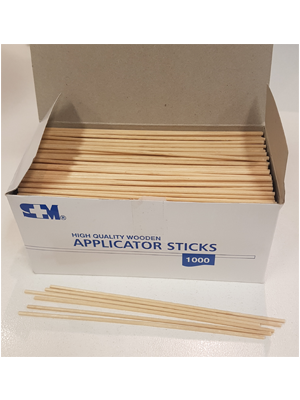
Applicator sticks
WhatsApp us
. They are flat or rod-shaped, about 6 inches (15 cm) long, and may have rounded or non-pointed ends to ensure safe handling during patient contact
. Some sticks are cotton-tipped for precise applications, while plain wooden sticks provide firm control for mixing, spreading, or supporting procedures
. Their construction allows firm grip and accurate control even when handling wet substances or medications
KSh 400.00
Description and Design
. They are flat or rod-shaped, about 6 inches (15 cm) long, and may have rounded or non-pointed ends to ensure safe handling during patient contact
. Some sticks are cotton-tipped for precise applications, while plain wooden sticks provide firm control for mixing, spreading, or supporting procedures
. Their construction allows firm grip and accurate control even when handling wet substances or medications
Primary Uses in Hospitals
-
Oral Examination and Tongue Depression: Used as tongue depressors to hold down the tongue and allow doctors or dentists to view the throat and oral cavity clearly2
.
-
Medication Application: Ideal for dispersing topical medications, ointments, or gels safely and precisely on skin or mucous membranes1
.
-
Specimen Collection: Used in culture sampling, throat swabs, and other diagnostic procedures where hygiene is critical1
.
-
Mixing and Compounding: Serve as disposable tools for mixing pharmaceutical preparations, creams, ointments, or semi-solid substances1
.
-
Other Medical Applications: Temporary splints, minor wound care, or procedural support in labs, dental work, or veterinary tasks2
.
Related products
-
Medical Consumables, Wound Care
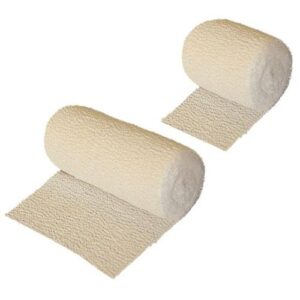
Crepe Bandage 2”
Crepe bandages are used to lightly support sprained and strained muscles and joints and are easy to secure without the need for surgical tape or safety pins. They conform easily to the body’s contours and have clips which allow fast and simple securing of the bandage.
- Select the bandage of appropriate size basis the area of application
- Apply on the affected area (to be used under strict guidance of a qualified professional)
- Ensure that the area around the injured part is covered well
- Avoid applying the bandage too tight as it might stop blood circulatio
SKU: n/a -
Medical Consumables, Medical Linen
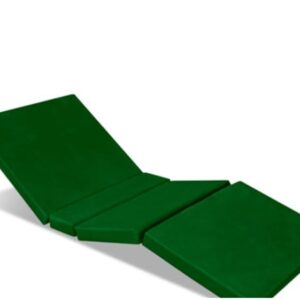
Hospital Segmented 4Fold Mattress with mackintosh
Hospital Segmented Mattress with mackintosh
The Hospital Segmented Mattress with Mackintosh is designed for comfort, durability, and easy maintenance in healthcare environments. Its segmented structure allows flexibility and support, making it suitable for use on hospital beds in clinics, wards, and homecare settings.
The included mackintosh layer provides a waterproof surface that helps protect the mattress and maintain hygiene. Ideal for hospitals, clinics, and caregiving environments across Kenya, this mattress is built for long-term use and easy cleaning.
SKU: n/a -
Uncategorized, Injection & Infusion, Medical Consumables
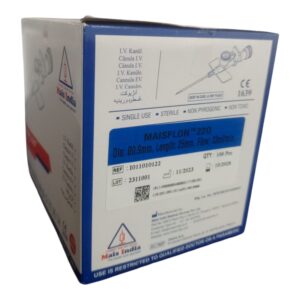
Iv Cannula 22G
The IV Cannula 22G is designed for reliable and safe intravenous access for the administration of fluids and medications. Manufactured from high-quality, biocompatible materials, it allows smooth insertion while minimizing patient discomfort. The flexible catheter helps reduce vein irritation, making it suitable for routine IV therapy in hospitals, clinics, and medical centers.
SKU: n/a